
Nutritionist Tips for Better Vision
Discover how proper nutrition transforms your eye health. Nutrieyecare explores the science behind vision-boosting foods and dietary practices recommended by leading nutritionists.
The information on this site is for educational purposes only and does not constitute medical advice. Always consult a qualified healthcare professional before making health decisions.
Key Features of Vision-Focused Nutrition
Antioxidant-Rich Foods
Antioxidants protect your retina from oxidative damage caused by blue light and UV exposure. Vitamins C, E, and beta-carotene work synergistically to neutralize free radicals and preserve visual acuity over time. These nutrients are naturally found in colorful fruits and vegetables like oranges, spinach, and carrots.
- Reduces macular degeneration risk
- Slows age-related vision decline
- Protects lens transparency
Lutein & Zeaxanthin
These carotenoid pigments accumulate in the macula—the part of the retina responsible for sharp, detailed vision. They act as natural blue light filters, shielding delicate photoreceptors from harmful wavelengths. Regular consumption builds up your eye's protective layer over weeks and months.
- Blocks blue light effectively
- Enhances contrast sensitivity
- Found in dark leafy greens
Omega-3 Fatty Acids
Omega-3s are structural components of retinal cells and support blood flow to the optic nerve. These essential fatty acids cannot be synthesized by your body, making dietary intake crucial. Fish, flaxseeds, and walnuts are excellent sources that nourish eye tissue from within.
- Strengthens retinal membranes
- Reduces eye dryness
- Supports circulation
Hydration & Fluid Balance
Proper hydration maintains the moisture content of the tear film and cornea. Dehydration leads to discomfort, blurred vision, and increased eye strain—especially for those spending hours on screens. Water and hydrating foods work together to keep eyes lubricated and comfortable.
- Prevents dry eye sensation
- Reduces screen fatigue
- Supports tear production
Minerals for Eye Function
Zinc, copper, and selenium enable the production of protective enzymes that shield eye cells from damage. These trace minerals are often overlooked but play essential roles in maintaining visual health. Nuts, seeds, and shellfish are nutrient-dense sources that support long-term vision.
- Activates antioxidant enzymes
- Preserves rod and cone cells
- Supports immune function
Whole Food Nutrition
Whole foods provide nutrients in bioavailable forms that your body absorbs efficiently. Unlike isolated supplements, eating real foods delivers synergistic compounds that enhance nutrient absorption and effectiveness. A varied, colorful diet creates the foundation for lasting eye health.
- Better nutrient absorption
- Includes beneficial fiber
- Natural, sustainable approach
Vision Benefits Comparison
Short-Term Vision Benefits
-
Reduced Eye Strain
Within days, antioxidants begin reducing fatigue from screen time and environmental stress.
-
Improved Comfort
Hydration and omega-3s quickly address dryness and irritation, bringing immediate relief.
-
Sharper Daytime Vision
Enhanced contrast sensitivity from lutein shows noticeable improvement within 2-3 weeks.
-
Better Night Vision
Vitamin A supports rhodopsin production, improving low-light vision in just weeks.
Long-Term Vision Benefits
-
Slowed Age-Related Decline
Consistent nutrition prevents macular degeneration and maintains vision quality into older age.
-
Cataract Prevention
Antioxidants protect the lens from oxidative damage that leads to clouding over years.
-
Sustained Focus Ability
Years of proper nutrition build resilience against presbyopia and persistent eye fatigue.
-
Healthy Optic Nerve
Consistent omega-3 and mineral intake protects nerve function and supports lifelong vision clarity.
How Vision-Focused Nutrition Works
Nutrient Intake & Absorption
When you consume vision-supporting foods, your digestive system breaks down nutrients into absorbable forms. Fat-soluble vitamins like lutein and zeaxanthin require dietary fat for optimal absorption—that's why pairing them with olive oil or avocado maximizes their benefit. This foundational step begins the moment you eat.
Transport & Accumulation
Your bloodstream carries absorbed nutrients to the eyes, where they preferentially accumulate in the retina and macula. This process happens continuously but requires consistent intake over weeks to build protective reserves. The body prioritizes eye tissue—recognizing its critical importance to survival—so regular nutrition directly supports your vision.
Cellular Protection & Repair
Once positioned in the eye, these nutrients activate protective enzymes and neutralize free radicals before they damage delicate photoreceptors. Antioxidants repair oxidative stress caused by blue light, UV exposure, and aging. This protection is continuous, making consistent nutrition a powerful preventive strategy.
Long-Term Vision Preservation
Over months and years, consistent nutritional support slows age-related vision decline and prevents conditions that commonly develop later in life. By nourishing your eyes today, you're investing in clear vision for decades. This is why nutritionists emphasize early adoption of eye-healthy eating habits—prevention is far more effective than trying to reverse damage.
Understanding Blue Light & Lutein
Modern screens emit blue light that penetrates deep into the eye, creating free radicals that damage retinal cells. Lutein and zeaxanthin form a natural protective layer that filters this harmful wavelength before it reaches sensitive tissue. Think of them as built-in sunglasses for your retina. Research shows that people with higher dietary lutein have significantly better color vision, contrast sensitivity, and reduced glare discomfort.
Blue Light Wavelength
400-495 nanometers penetrates the eye deeply and triggers oxidative stress.
Natural Protection
Lutein absorbs blue light, preventing it from damaging photoreceptor cells in the macula.
Dietary Sources
Spinach, kale, broccoli, and peas contain abundant lutein for daily eye support.
Vision-Friendly Foods & Recipes

Dark Leafy Greens
Spinach, kale, and collard greens are nutritional powerhouses containing lutein, zeaxanthin, and vitamin K. Eating just one serving of cooked spinach daily can significantly increase macular pigment density within weeks.
Best nutrients: Lutein, zeaxanthin, folate, iron
Serving tip: Cook lightly with olive oil to enhance absorption
Fatty Fish
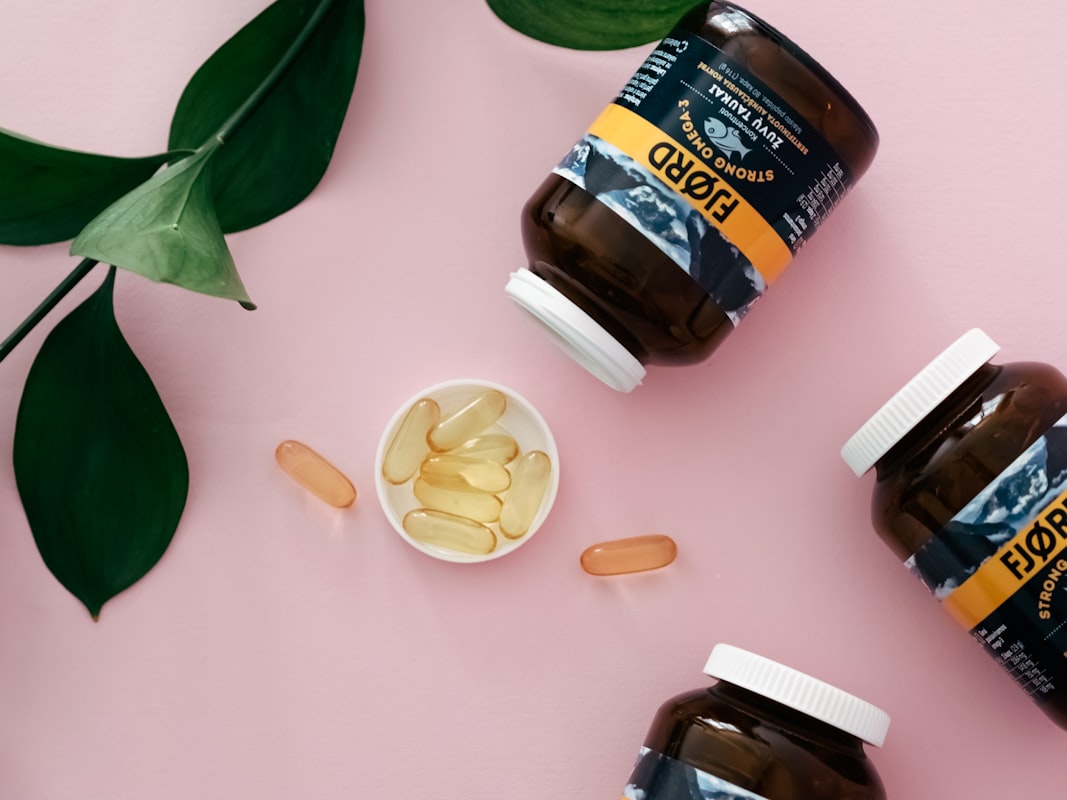
Salmon, mackerel, and sardines are rich in omega-3 fatty acids that strengthen retinal membranes and support optic nerve function. These essential fats cannot be produced by your body, making regular fish consumption crucial for eye health.
Best nutrients: Omega-3s, selenium, vitamin D
Serving tip: Aim for 2-3 servings weekly for optimal benefit

Berries
Blueberries, bilberries, and blackberries contain anthocyanins—powerful antioxidants that reduce eye inflammation and protect against age-related vision decline. Their deep color indicates high antioxidant content that directly benefits your retina.
Best nutrients: Anthocyanins, vitamin C, fiber
Serving tip: Fresh or frozen work equally; eat daily for best results

Orange Vegetables
Carrots, sweet potatoes, and squash are loaded with beta-carotene—a precursor to vitamin A that's essential for normal vision and adaptation to low light. The bright orange color signals the presence of these protective compounds.
Best nutrients: Beta-carotene, vitamin A, potassium
Serving tip: Pair with oil to maximize nutrient absorption

Nuts & Seeds
Almonds, walnuts, and sunflower seeds provide vitamin E, zinc, and omega-3s in convenient, portable forms. These nutrient-dense foods support immune function within the eye and provide long-lasting satiety for healthy snacking.
Best nutrients: Vitamin E, zinc, selenium, omega-3s
Serving tip: One small handful daily supports vision protection

Eggs
Egg yolks are among the richest dietary sources of lutein and zeaxanthin, plus they contain choline for brain and eye health. The fat content in yolks ensures efficient absorption of these fat-soluble nutrients needed for vision protection.
Best nutrients: Lutein, zeaxanthin, choline, selenium
Serving tip: 2-3 eggs weekly provides substantial protective benefit
Common Questions About Vision Nutrition
How long does it take to notice vision improvement from nutrition changes?
Short-term benefits like reduced eye strain and improved comfort appear within days to weeks. However, measurable improvements in contrast sensitivity and color perception typically require 6-12 weeks of consistent dietary changes. Long-term prevention benefits accumulate over months and years, making early adoption crucial.
Can I get all vision-supporting nutrients from food alone?
Yes, a varied diet rich in colorful vegetables, fatty fish, nuts, and eggs provides all essential nutrients for eye health. Whole foods offer superior absorption and include synergistic compounds that enhance effectiveness. However, some individuals with specific needs or dietary restrictions may benefit from targeted supplementation—consult a nutritionist for personalized guidance.
Can supplements interact with medications?
Some supplements may interact with medications, particularly blood thinners, diabetes medications, and certain antidepressants. This is why it's essential to inform your healthcare provider about all supplements you're taking. Our team at Nutrieyecare recommends consulting with your doctor before starting any new supplement regimen to ensure safety and efficacy.
How long does it take to see results?
Most people notice improvements in eye comfort and clarity within 4-6 weeks of consistent supplementation, though some changes may be visible sooner. Vision health is a gradual process—nutrients accumulate in the retina over time. For best results, maintain a healthy lifestyle, protect your eyes from UV damage, and be patient with the natural healing process.
Are Nutrieyecare products suitable for all ages?
Our formulations are designed for adults and teenagers. For children under 13, we recommend consulting an eye care professional for age-appropriate recommendations. Pregnant and nursing mothers should also consult their healthcare provider before using supplements. Nutrieyecare prioritizes safety across all demographics.
What Our Customers Say
Real results from real people who trust Nutrieyecare
"After three months of using Nutrieyecare, my digital eye strain has noticeably decreased. I can work at my desk longer without discomfort. Highly recommend!"
Jennifer M.
Marketing Professional
"My optometrist was impressed with my improved eye health markers. Finally found a supplement that actually works and I can trust!"
Robert C.
Retired Teacher
"Great customer service and transparent ingredient lists. I appreciate that Nutrieyecare is genuinely committed to eye health, not just sales."
Sarah L.
Student
Ready to Improve Your Eye Health?
Join thousands of satisfied customers who've transformed their vision and comfort with Nutrieyecare's science-backed supplements. Start your journey to healthier eyes today.
100% Satisfaction Guarantee | Free Shipping on Orders Over $50